


Preparing For A Toyota Adventure
Shoppers looking at the Toyota Tacoma usually want more than a spec sheet, because trail access, steep grades, and changing weather expose weaknesses quickly. For anyone researching a Toyota Tacoma TRD Off-Road model, the useful question is not just how much horsepower the truck makes, but which features actually improve control, comfort, and utility when the pavement ends.

The Toyota Tacoma TRD Off-Road is designed to inspire confidence when navigating rough terrain, handling seasonal weather, and tackling trips with heavy gear. In this blog from Preston Toyota of Easton, we’ve included the effectiveness of its off-road package, practical insights into its 4×4 systems, the importance of Toyota Tacoma TRD Off-Road ground clearance for trail adventures, the towing capacity that matters for real-world use, and how the interior accommodates long hours on the road. Visit us today in Easton, MD!
Why Toyota Appeals to Adventure-First Drivers
The Toyota Tacoma TRD Off-Road attracts adventure-focused drivers because it is engineered for real-world use cases, including trailheads, forest roads, elevation changes, and mixed-surface travel. A midsize truck earns that role only when its hardware supports traction, durability, and manageable size simultaneously. Horsepower still matters for passing and climbing, but usable torque, traction systems, and predictable braking matter more once the route includes loose rock, mud, or a loaded bed.
What Is the Off-Road Package on a Toyota Tacoma?
The available off-road packages for the Toyota Tacoma are a thoughtfully engineered blend of advanced hardware and software designed to enhance traction, control, and durability when venturing off the beaten path. The true advantage lies not in mere aesthetic changes but in significantly easing the driver’s experience on loose, uneven, or unpredictable terrains. These packages empower adventurers to confidently tackle challenging landscapes with greater ease and enjoyment.
Compared with less trail-focused Toyota Tacoma configurations, the Toyota Tacoma TRD Off-Road setup commonly changes suspension tuning, traction control strategy, protective components, and selectable drive calibrations. A high-strength steel frame matters here because off-road confidence depends on structural durability as much as electronic aids.
The real benefit of an off-road package is momentum management without depending on speed. That matters because most trail damage, tire spin, and underbody contact occur when a driver tries to compensate for limited traction by applying excess throttle.
How the Toyota Tacoma TRD Off-Road System Helps on Real Trails
Toyota Tacoma TRD Off-Road 4×4 capability is valuable because it provides the driver with more than just simple power delivery to all four wheels. The system’s real contribution is traction management across high and low ranges, controlled throttle mapping, and wheel-slip strategies that help the truck stay composed as one surface transitions to another.
Use 2WD on dry pavement where extra traction hardware is unnecessary, 4WD High on snowy roads or sand where you still need momentum, and 4WD Low on slow rocky climbs where control matters more than speed. That decision framework matters because incorrect range selection often creates more wheelspin, heat, and stress than the obstacle itself.
Confidence features also reduce guesswork when visibility is poor or the trail surface is inconsistent. A midsize truck earns trust when its systems help the driver place tires accurately and maintain steady progress, rather than forcing abrupt corrections.
4WD High vs. 4WD Low: A Practical Decision Guide
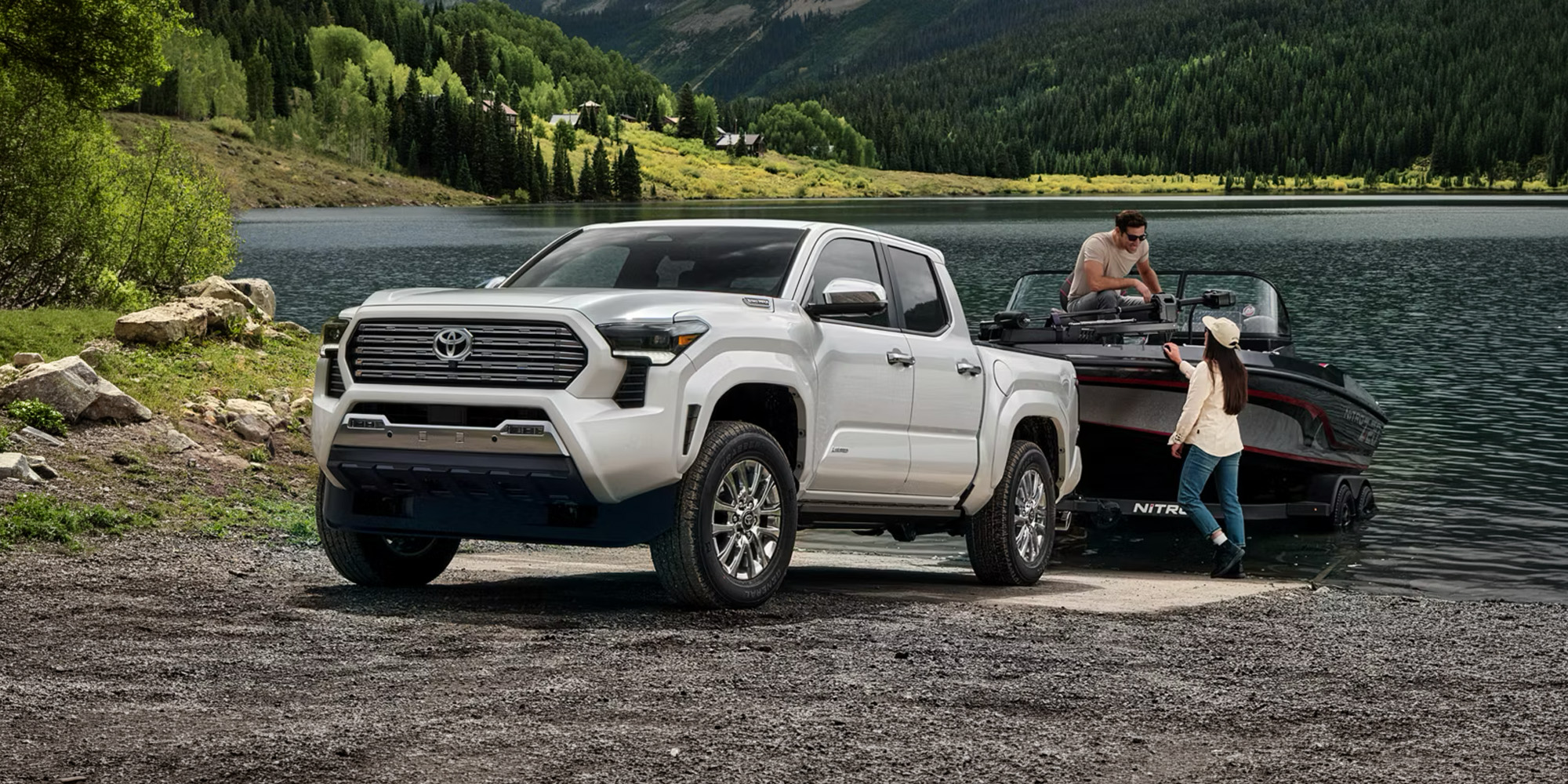
4WD High is for higher-speed, low-traction driving when you need stability and forward motion without crawling. Snow-covered roads, loose dirt, and moderate sand are common examples where the Toyota Tacoma TRD Off-Road benefits from extra traction while preserving usable momentum. 4WD Low is for slow, technical terrain where torque multiplication and finer control are more important than speed. Rocky ledges, uneven climbs, and careful descents are exactly where the low range reduces strain on both the truck and the driver.
Suspension, Chassis, and Durability
Suspension tuning is key for the Toyota Tacoma TRD Off-Road, significantly enhancing both comfort on rough roads and performance on challenging trails. A well-tuned suspension keeps the truck stable over washboards and dips, resulting in a smoother ride that reduces driver fatigue, safeguards cargo, and maintains tire contact over long journeys.
Additionally, the vehicle’s overall durability is closely tied to its chassis and underbody design, not just the brands of springs or shocks. The strength of the frame, the strategic placement of components, and the use of protective hardware all play critical roles in how well the truck can handle repeated off-road adventures without compromising vulnerable parts.
As equipment can vary by model, it’s essential for buyers to confirm the specific shock, coil, and protection configurations for the Toyota Tacoma they are interested in. The ideal setup aligns with your unique terrain needs, ensuring a tailored off-road experience rather than just a collection of features.
Ride Comfort vs. Control: What Shoppers Should Test-Drive For
Test steering feel on broken pavement and gravel because vague steering increases fatigue faster than many buyers expect. Pay attention to noise, vibration, and harshness on coarse surfaces and at highway speed. A truck that feels composed on the drive to the trail is better than one that only feels convincing at low speed off pavement.
Ground Clearance: Why It Matters Beyond the Number
The Toyota Tacoma TRD Off-Road’s ground clearance is important because it helps avoid underbody contact, rather than simply competing on specifications. On real trails, the key consideration is whether the truck can navigate over rocks, ruts, and snow berms without the chassis getting hung up.
This is why approach angle, departure angle, and breakover angle should receive as much attention as the raw clearance number. Tire size and the shape of the underbody also affect how the Toyota Tacoma TRD Off-Road approaches, crests, and exits obstacles, which is what drivers actually experience on uneven terrain.
Additionally, increased clearance boosts confidence when visibility is limited. If you can’t clearly see the centerline of a rut or the far side of a snow pile, having extra clearance under the truck can help prevent a minor obstacle from turning into a recovery situation.
Powertrain and Driving Feel: Torque Delivery for Climbing, Passing, and Loaded Driving
The powertrain selection in the Toyota Tacoma TRD Off-Road significantly enhances its performance, whether you’re navigating rugged trails or cruising down the highway. With an emphasis on low-end torque, this truck excels at overcoming obstacles, climbing steep grades with camping gear, and merging into traffic, all while offering a responsive, predictable driving experience.
Depending on the configuration, buyers can choose between a turbocharged four-cylinder engine or an innovative i-FORCE hybrid powertrain. The i-FORCE family is especially noteworthy, as its power delivery characteristics often provide a more engaging driving experience than just peak output figures alone.
Hybrid and Turbo Considerations for Adventure Use
A turbocharged setup can provide strong midrange response, while the i-FORCE MAX Hybrid system can add stronger low-speed torque feel in certain driving situations. For adventure use, that matters because an easier low-RPM response often makes the truck feel calmer and more controlled. Fuel economy varies widely with tires, elevation, terrain, load, and speed. A truck used for mountain travel and gear hauling will rarely match idealized numbers from a light-duty commute.
Towing Capacity and Payload: Utility for Real Trips
The Toyota Tacoma TRD Off-Road’s towing capacity is an excellent starting point for planning your adventures, offering a versatile tool for your outdoor escapades rather than just a number to flaunt. When preparing for your next journey, consider the entire experience: trailer weight, wind resistance, inclines, braking distances, payload, and cab configurations all play a role in ensuring a smooth, enjoyable towing experience.
For adventure enthusiasts, towing often involves smaller campers, utility trailers, dirt bikes, or ATVs rather than heavy commercial loads. The Toyota Tacoma TRD Off-Road is designed to provide ample reserves for passengers, gear in the bed, and mountainous terrains, ensuring you have more than enough capability for your travels beyond flat roads.
Always check the specific towing ratings for your exact Toyota Tacoma model, as variations in cab style, drivetrain, bed type, and additional equipment can affect its towing capacity. By starting with the precise door-jamb and towing information for your vehicle, you can confidently set up for fantastic journeys ahead.
Bed Utility and Gear Management: What Makes the Toyota Tacoma Easy to Live With
Bed utility is a major reason buyers choose the Toyota Tacoma TRD Off-Road for recreation. Tie-down strategy, durable bed surfaces, and available power sources matter because adventure gear is awkward, dirty, and often needed in changing weather.
Recovery gear, tools, fuel-safe containers, and wet items should be organized so they do not take over the cabin. A functional truck is one that keeps muddy equipment in the bed while preserving passenger comfort and making travel days easier.
When added, a 2400W onboard power supply adds practical value for campsites, tailgates, and work-style needs. Onboard power matters because it reduces dependence on separate battery packs for lights, inflators, and small appliances.
Toyota Tacoma TRD Off-Road Interior: Comfort, Tech, and Trail-Friendly Practicality
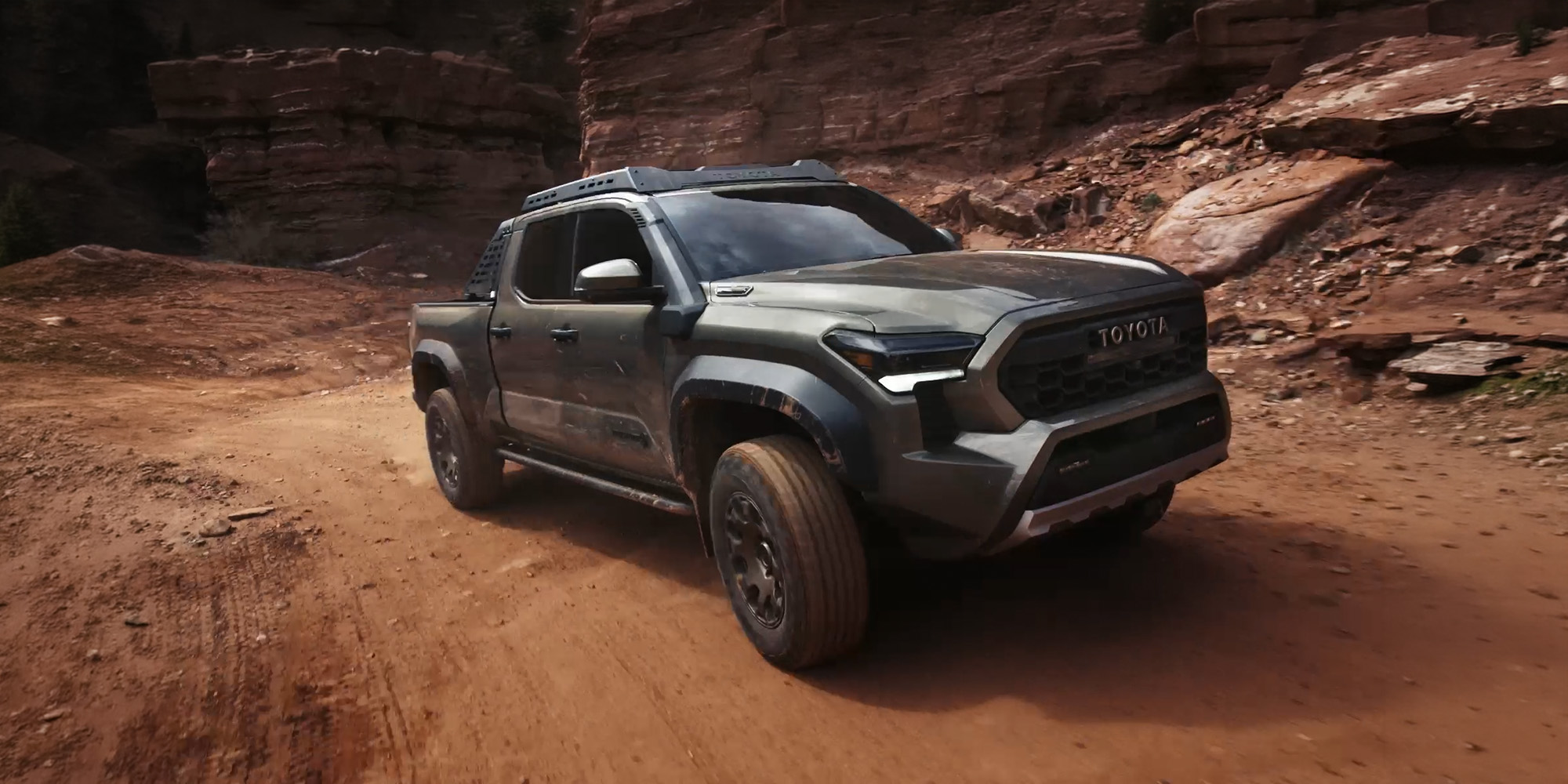
The Toyota Tacoma TRD Off-Road interior matters because long adventure days test seating, visibility, and control layout as much as drivetrain hardware. Supportive seats, easy-clean touchpoints, and controls that are simple to use with gloves improve daily usability, as drivers quickly notice.
Technology should serve the drive rather than dominate it. In the Toyota Tacoma TRD Off-Road, buyers will find a large touchscreen, phone integration, navigation support, and a 12.3-in. digital gauge cluster that makes critical information easier to scan.
Interior usability also affects fatigue. A truck with clear sightlines, sensible storage, and straightforward ergonomics is easier to trust on narrow trails and easier to live with between trips.
Cabin Tech That Helps Off Pavement
Multi-Terrain Monitor camera views, when equipped, can serve as a spotter for hard-to-see obstacles from the driver’s seat. That is especially useful on tight trails where wheel placement matters more than speed. A clear gauge layout and direct-drive mode controls reduce distractions. The driver should spend more time reading the terrain than searching menus.
Safety and Driver Assistance: Useful Support Without Getting in the Way
Modern driver-assist technology adds real value to a midsize truck by reducing fatigue without disrupting the driving experience. Toyota Safety Sense™ 3.0 matters most on highways and in traffic, where long distances and changing speeds can wear down driver attention before the trail even begins. Safety is also part of adventure planning because stability, visibility, and predictable braking matter on roads and in bad weather. The most useful systems support the driver quietly instead of encouraging overconfidence. Feature availability can vary by trim and options, especially for cameras and convenience aids. Confirm the exact safety equipment on the truck you are shopping for, rather than assuming every Toyota Tacoma TRD Off-Road is equipped the same way.
Key Takeaways and Next Steps
The right Toyota Tacoma depends on terrain, load, and how often it also serves as a daily driver. A snow-focused setup, a camping-focused setup, and a trailer-focused setup may all point to different priorities even within the same trim family. At Preston Toyota of Easton, we understand why these details matter for drivers navigating elevation changes, rough roads, and year-round outdoor travel across Delmarva. If you want to explore the Toyota Tacoma TRD Off-Road in person, visit us or connect with our team at Preston Toyota of Easton.
What to Bring to a Test Drive
Bring a short list of your usual passengers, camping gear, and trailer details so you can check space, payload, and towing assumptions. Real numbers make a test drive more useful than a general impression.
Ask which options are installed, what tires are on the truck, and whether specific off-road features are equipped on that exact vehicle. Small equipment differences can change how well a Toyota Tacoma matches your plans.
FAQs
What Toyota Tacomas to stay away from?
There is no single answer that fits every used truck. Focus on service records, recall completion, rust or undercarriage condition, and a thorough pre-purchase inspection.
Where is the secret compartment in a Toyota Tacoma?
Hidden storage and any secret compartment locations vary by cab style and trim. Check under-seat areas, rear-seat bins if equipped, bed storage features, and the owner’s manual.
Which one is better, a Toyota Tacoma TRD Sport or a Toyota Tacoma TRD Off-Road?
They serve different priorities. The Toyota Tacoma TRD Off-Road emphasizes trail-focused traction and control, while the Toyota Tacoma TRD Sport is generally tuned more for on-road use and appearance.
SHOP NOW


