



Toyota Land Cruiser Off-Road Capabilities: Charting New Terrain
Many drivers want one SUV that can commute all week and still handle a remote trail without drama. For anyone researching Toyota Land Cruiser off-road performance, the useful question is not whether it can leave pavement, but how its hardware, tires, and driver inputs shape results across different terrain. At Preston Toyota of Easton, we explain what off-road use means in practical terms, how the Toyota Land Cruiser’s systems work together, and how to set the vehicle up for a safer, more capable day on the trail. Head to our dealership to shop our inventory and get started today!

What “Off-Road” Means for a Toyota Land Cruiser
Off-road use covers more than rock crawling. A Toyota Land Cruiser may see forest roads, sand washes, muddy two-tracks, snow-covered access routes, rutted climbs, and a shallow water crossing, and each surface rewards a different mix of traction, momentum, and judgment.
Five variables determine off-road capability more than marketing claims: ground clearance, 4-wheel drive, articulation, gearing, and driver skill. Ground clearance keeps hard parts away from rocks and ruts, while articulation helps tires stay planted, which matters because a tire in the air cannot provide traction, no matter how much torque the powertrain makes. A Toyota Land Cruiser can handle a broad range of trails because Toyota pairs full-time traction systems with durable chassis engineering.
Toyota Land Cruiser Off-Road Hardware and Why It Works
The current Toyota Land Cruiser uses Toyota’s TNGA-F body-on-frame platform, and that architecture matters because frame-based vehicles tolerate repeated torsional loads and underbody impacts better than many road-focused crossovers. Trail durability starts with structure, and a rigid platform gives the suspension and driveline a more stable foundation under load.
Standard full-time 4WD gives the Toyota Land Cruiser consistent traction on changing surfaces such as wet gravel, patchy snow, and loose climbs. That consistency reduces the delay between losing grip and regaining it, helping drivers maintain control before wheelspin escalates into momentum-based mistakes.
Rear locker availability adds a major capability advantage on uneven terrain. When one rear wheel lifts or loses grip, a locking differential can force both rear wheels to turn together, turning a stalled climb into a controlled crawl.
Full-Time 4WD and the 2-Speed Transfer Case
High range suits mixed dirt roads, shallow mud, and faster unpaved travel where wheel speed matters more than torque multiplication. The low range is suited to steep climbs, descents, rocks, and technical sections because it slows the vehicle, improves control, and reduces transmission strain. The electronically controlled transfer case makes those shifts easier and more consistent for the driver. A better workflow matters off-road because fewer complex inputs leave more attention for line choice, terrain reading, and spotter communication.
Locking Differentials and Traction Fundamentals
A locking differential is most useful when traction is uneven side to side, such as cross-axle ruts, loose ledges, or off-camber rock shelves. It should not be treated as a default setting on every trail, because locked axles can increase understeer and driveline stress on higher-traction surfaces. Traction control and lockers work best when the driver understands their roles. Lockers create mechanical traction, while brake-based systems manage wheel slip, and knowing which tool is solving the problem prevents unnecessary throttle.
Powertrain and Off-Road Performance: Hybrid Strengths and Tradeoffs
The Toyota Land Cruiser uses a 2.4L 4-cylinder hybrid i-FORCE MAX powertrain with 326 net combined horsepower and 465 lb.-ft. of torque. Those numbers matter off-road less for top speed than for accessible low-end torque, because controlled force at low speed is what moves a vehicle over obstacles without bouncing or digging holes.
Hybrid torque delivery can feel immediate and smooth on climbs and in technical sections. That characteristic helps the Toyota Land Cruiser crawl with less drama, but it also means sloppy throttle inputs can break traction quickly on loose dirt, shale, or wet rock.
Common hybrid concerns are manageable with technique and planning. Heat, sustained wheelspin, and long, slow climbs matter more than the hybrid label itself, because wasted traction converts energy into temperature rather than forward movement.
How Hybrid Torque Helps on the Trail
Low-speed torque helps the Toyota Land Cruiser maintain movement with smaller throttle inputs. Pair that with low range and careful pedal work, and the vehicle can climb with less wheelspin, which protects the trail surface and reduces stress on components. Tire pressure tuning matters here too, and an air compressor turns tires into a traction tool rather than a fixed compromise. Lower pressure can increase the contact patch, allowing the hybrid system’s torque to work through the ground instead of across it.
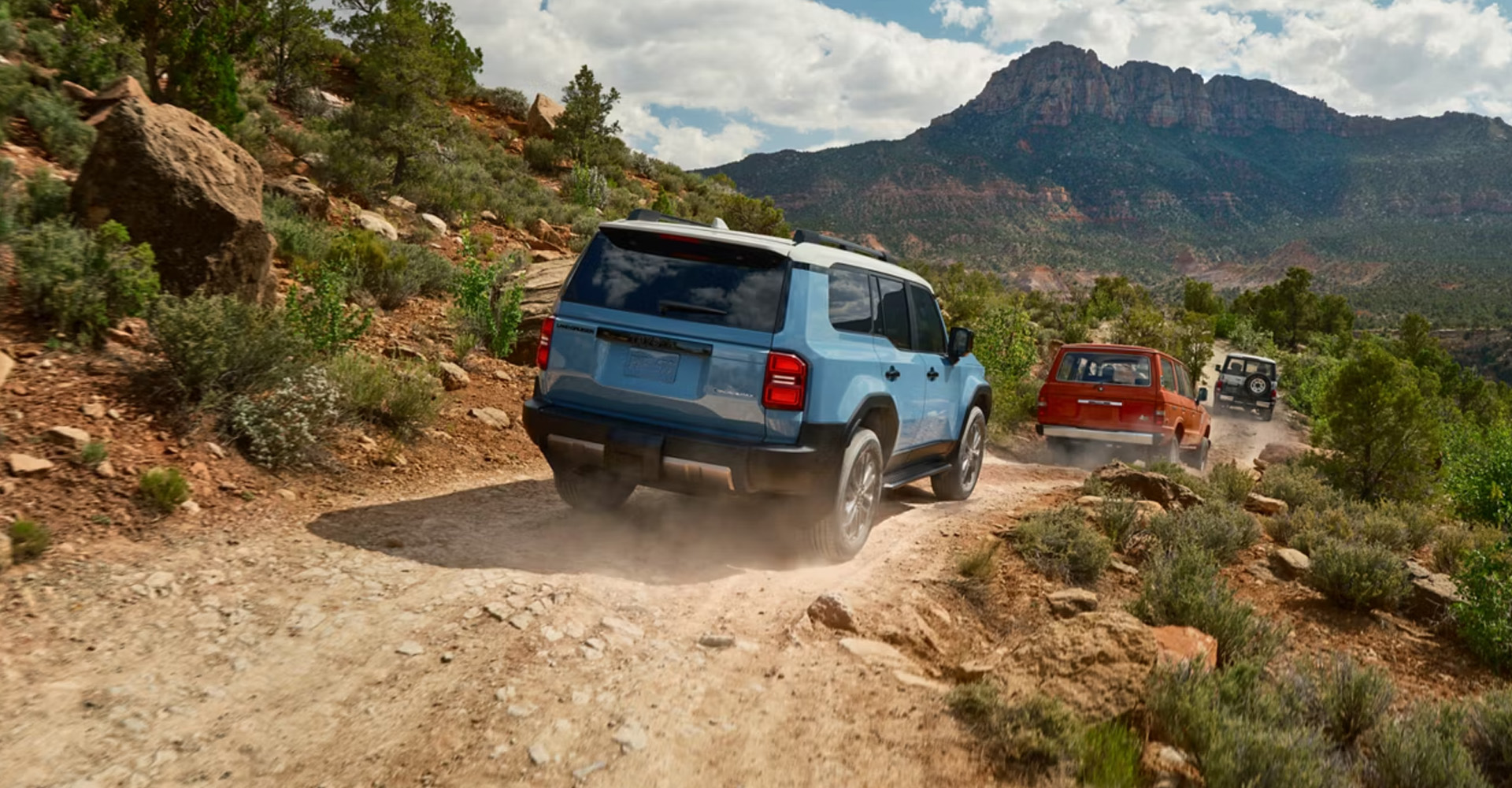
What to Watch: Heat, Loads, and Long Climbs
On hot days and long grades, pace the climb and allow airflow when conditions permit. Sustained high-load wheelspin is the wrong answer because it reduces progress, builds heat, and increases the chance of tire or drivetrain abuse.
Off-Road Driver Aids: Multi-Terrain Select, Crawl Control, and SDM
Toyota gives the Toyota Land Cruiser several electronic tools that improve consistency, not immunity from mistakes. Multi-Terrain Select, Crawl Control, and the available Stabilizer Disconnect Mechanism each solve a specific problem, and the driver still decides the speed, line, and whether to attempt the obstacle.
Multi-Terrain Select adjusts traction for surfaces like dirt, mud, sand, and rocks. Crawl Control modulates throttle and braking at low speed, while SDM improves wheel articulation by disconnecting the stabilizer bar on uneven terrain, where tire contact matters more than flat cornering.
These systems are useful because they reduce workload during difficult maneuvers. Their value rises when the driver chooses settings based on terrain conditions rather than toggling modes at random.
Multi-Terrain Select (MTS): Picking the Right Mode
Use MTS as traction tuning, not as permission to drive faster than conditions allow. The correct mode helps manage wheel slip for the surface under the tires, which can improve forward motion without the harsh intervention that comes from mismatched settings.
Crawl Control: When Slow and Steady Wins
CRAWL is most effective on steep descents, loose climbs, and technical sections where steering precision matters more than speed. Handling throttle and brake modulation frees the driver to focus on where the tires need to go.
Stabilizer Disconnect Mechanism (SDM): More Articulation, More Grip
The available Stabilizer Disconnect Mechanism allows greater wheel articulation on rocky or deeply rutted trails. More articulation means more tire contact, and more tire contact often matters more than raw power when traction is inconsistent. Re-engage SDM once you return to smoother, faster terrain. Suspension freedom helps with obstacles, but road stability matters once speeds rise.
Setting Up Your Toyota Land Cruiser for an Off-Road Day
A good trail day with your Toyota Land Cruiser starts before the tires touch dirt. Route planning, a quick mechanical inspection, and a realistic gear list prevent many of the problems that strand drivers far from help. Set tire pressure for the terrain and expected speed, then bring a way to air back up before highway driving. Communications and recovery plans also belong in the prep stage, because trail mistakes become expensive when nobody knows where you are or how to extract the vehicle.
Pre-Trip Checks That Prevent Trail Problems
Inspect tires, sidewalls, lug torque, fluids, and the underbody for loose hardware or fresh leaks. Confirm that recovery points are accessible and that your jack, lug wrench, and tools fit the wheel and tire setup on the vehicle.
Gear to Carry (Practical, Not Excessive)
Pack a rated recovery strap, compatible shackles, traction boards, gloves, and a shovel. Add water, a first-aid kit, a headlamp, and a paper map backup, because electronics fail at the exact moment terrain gets complicated.
Protection, Tires, and Smart Upgrades (What Helps First)
Tires are usually the first upgrade drivers notice on the trail. Better tread design, stronger sidewalls, and sizing that preserves clearance can improve traction, puncture resistance, and confidence more than cosmetic modifications.
Underbody protection on your Toyota Land Cruiser matters because trail damage often occurs below the driver’s line of sight. Skid plates and sliders reduce the cost of minor mistakes, and that protection can make the difference between driving home and ending the day on a trailer.
Recovery readiness also deserves priority over power adders. A winch-capable setup, traction tools, and the available 2400W power inverter create practical self-sufficiency, especially for airing up tools, charging equipment, or supporting camp-based repairs.
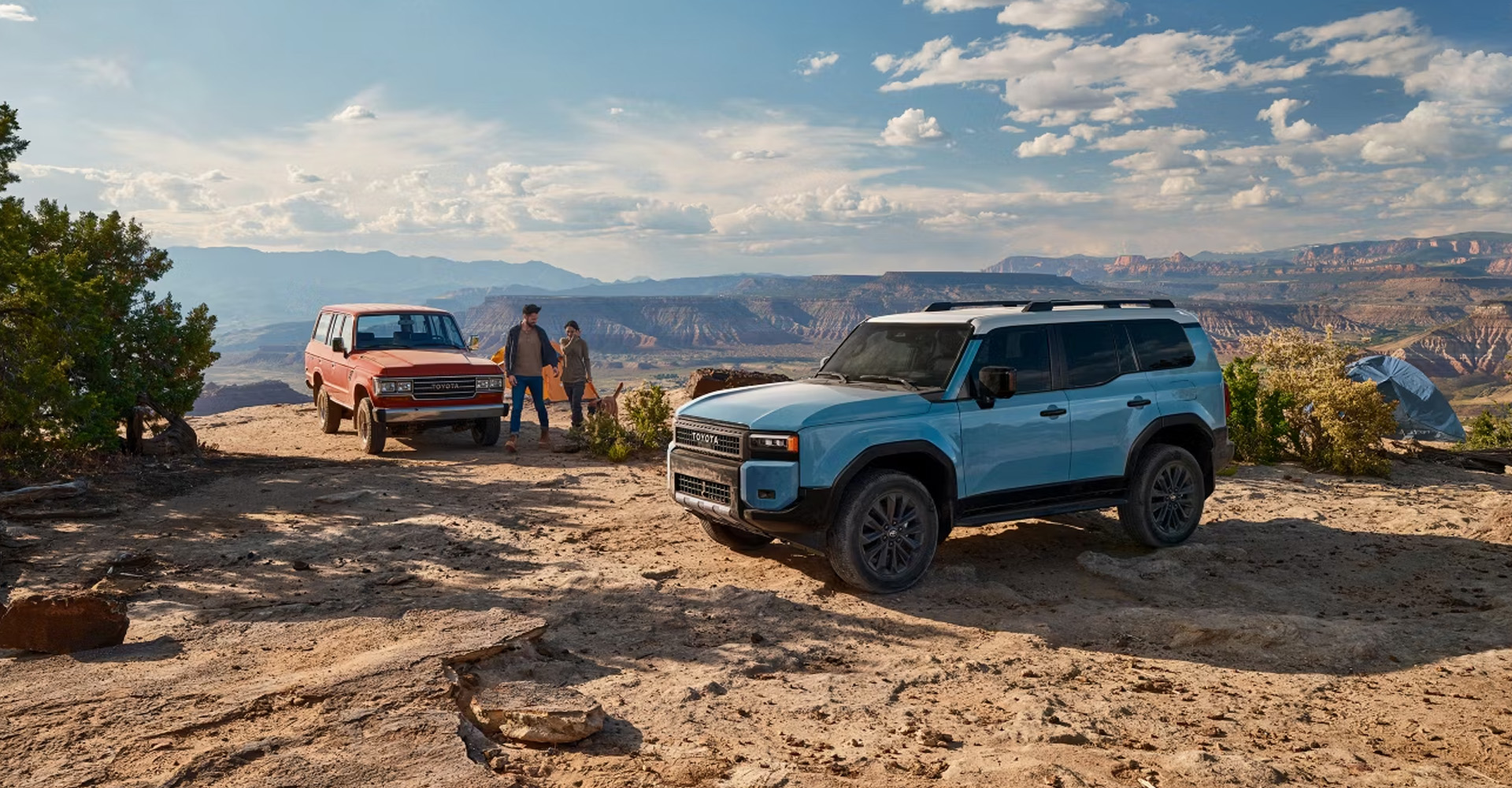
Tire Selection: The Most Noticeable Capability Upgrade
All-terrain tires balance road noise, tread life, wet grip, and trail traction better than most mixed-use Toyota Land Cruiser tires. Mud-terrain tires add bite in deep mud and loose rock, but they often bring more noise, faster wear, and weaker wet-pavement manners. A portable compressor and an accurate gauge are essential for any tire upgrade. Tire pressure is a tuning tool, not a one-time setting, and the ability to adjust it on site expands capability without changing parts.
Skid Plates and Sliders: Cheap Insurance on Technical Trails
Underbody protection shields the oil pan, transmission, and transfer case from rock strikes. Rock sliders protect rocker panels and can serve as a controlled pivot point in tight, technical terrain.
Towing and Payload: Bringing Gear Without Hurting Capability
The Toyota Land Cruiser’s 6,000-lb. towing capacity is useful, but towing changes how the vehicle behaves off-road. Extra mass increases braking distance, affects approach and departure behavior, and makes steep or loose terrain less forgiving. Payload matters as much as towing because overloaded vehicles lose suspension travel and composure. Heavy items should stay low and centered, since roof-heavy packing raises the center of gravity and reduces stability on off-camber terrain.
Packing for Stability and Traction
Secure loads so they cannot shift during climbs, descents, or side tilts. Balanced weight distribution reduces nose dive, rear sag, and the traction penalties that come from overloading one axle.
When to Skip the Trailer
Deep sand, tight switchbacks, and rocky ledges amplify trailer risk fast. Many experienced drivers stage gear at camp and run technical trails unloaded because a lighter vehicle is easier to place, recover, and protect.
Common Mistakes to Avoid With the Toyota Land Cruiser Off-Road
The most common off-road mistakes are speed, impatience, and poor setup. Rough terrain punishes haste because suspension compression, tire impacts, and underbody strikes compound quickly once the driver stops reading the trail. Misusing lockers or Crawl Control can also create problems. Driver aids improve consistency, but they do not repeal physics, and clearance angles still matter as much as traction when the obstacle has ledges, holes, or abrupt transitions.
Mistake: Treating Driver Aids Like Autopilot
MTS and CRAWL can help the Toyota Land Cruiser maintain traction and control, but they do not choose a safe line. If progress stalls, stop, reassess, and spot the obstacle rather than forcing the vehicle forward.
Mistake: Skipping Tire Pressure Management
Overinflated tires reduce grip and increase the risk of punctures on rocks. Underinflated tires at speed build heat and raise the odds of sidewall damage, so pressure should match terrain and pace.
Key Takeaways for Confident, Responsible Off-Roading
The Toyota Land Cruiser earns its reputation through a package, not a single feature. Full-time 4WD, low range, thoughtful chassis design, useful electronics, and the right tires work best when the driver understands what each tool is solving. That is why skill development should come before expensive parts. Drivers who plan routes, manage tire pressure, use aids selectively, and turn around when conditions deteriorate usually travel farther with less damage than drivers who rely solely on hardware.
Get Started
Ready to kickstart your off-road adventures? Head to Preston Toyota of Easton to explore the lineup and learn more about the Toyota Land Cruiser’s off-road features.
FAQs
What are the years to avoid for a Toyota Land Cruiser?
There is no universal “avoid” year that matters more than condition and maintenance history. Focus on service records, rust on the frame and underbody, drivetrain care, and signs of hard off-road use or poor modifications.
What is the best Toyota Land Cruiser for off-roading?
The best choice depends on the terrain and your goals. For technical trails, prioritize low range, lockers, clearance, and protection; for long-distance travel, prioritize reliability, payload control, and durable all-terrain tires.
A Toyota Land Cruiser performs best off-road when the driver treats its capability as a system. Tires, pressure, gearing, traction aids, protection, and judgment all matter, and that balanced approach is what turns a capable SUV into a dependable trail vehicle.
What is the Toyota Land Cruiser 1958?
The Toyota Land Cruiser 1958 is a heritage-inspired trim that combines classic Land Cruiser styling with the off-road capability the nameplate is known for. Distinctive features like a vintage “TOYOTA” grille, round headlights, squared-off mirrors, and rugged body styling pay tribute to past generations, while modern engineering helps it tackle trails, dirt roads, and outdoor adventures with confidence. It’s a blend of old-school character and trail-ready capability designed for drivers who appreciate both history and exploration.
SHOP NOW


