


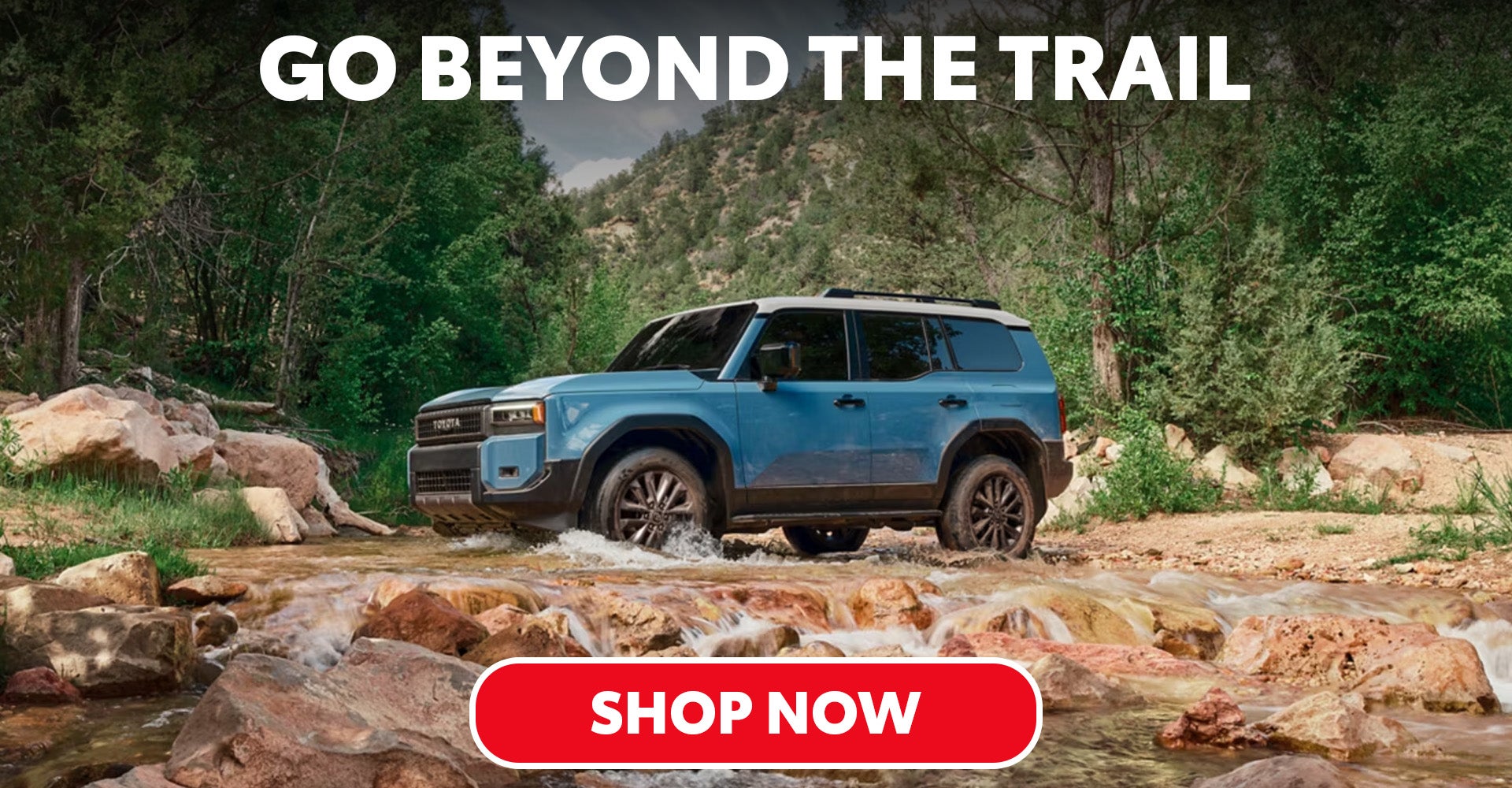
Blog / Easton Toyota Dealer

Can the Toyota Land Cruiser Handle Real Off-Road Driving?

Toyota Land Cruiser Off Road

Toyota Land Cruiser Off-Road Capabilities: Charting New Terrain

Many drivers want one SUV that can commute all week and still handle a remote trail without drama. For anyone researching Toyota Land Cruiser off-road performance, the useful question is not whether it can leave pavement, but how its hardware, tires, and driver inputs shape results across different terrain. At Preston Toyota of Easton, we explain what off-road use means in practical terms, how the Toyota Land Cruiser’s systems work together, and how to set the vehicle up for a safer, more capable day on the trail. Head to our dealership to shop our inventory and get started today!

What “Off-Road” Means for a Toyota Land Cruiser

Off-road use covers more than rock crawling. A Toyota Land Cruiser may see forest roads, sand washes, muddy two-tracks, snow-covered access routes, rutted climbs, and a shallow water crossing, and each surface rewards a different mix of traction, momentum, and judgment.

Five variables determine off-road capability more than marketing claims: ground clearance, 4-wheel drive, articulation, gearing, and driver skill. Ground clearance keeps hard parts away from rocks and ruts, while articulation helps tires stay planted, which matters because a tire in the air cannot provide traction, no matter how much torque the powertrain makes. A Toyota Land  Cruiser can handle a broad range of trails because Toyota pairs full-time traction systems with durable chassis engineering.

Toyota Land Cruiser Off-Road Hardware and Why It Works

The current Toyota Land Cruiser uses Toyota’s TNGA-F body-on-frame platform, and that architecture matters because frame-based vehicles tolerate repeated torsional loads and underbody impacts better than many road-focused crossovers. Trail durability starts with structure, and a rigid platform gives the suspension and driveline a more stable foundation under load.

Standard full-time 4WD gives the Toyota Land Cruiser consistent traction on changing surfaces such as wet gravel, patchy snow, and loose climbs. That consistency reduces the delay between losing grip and regaining it, helping drivers maintain control before wheelspin escalates into momentum-based mistakes.

Rear locker availability adds a major capability advantage on uneven terrain. When one rear wheel lifts or loses grip, a locking differential can force both rear wheels to turn together, turning a stalled climb into a controlled crawl.

Full-Time 4WD and the 2-Speed Transfer Case

High range suits mixed dirt roads, shallow mud, and faster unpaved travel where wheel speed matters more than torque multiplication. The low range is suited to steep climbs, descents, rocks, and technical sections because it slows the vehicle, improves control, and reduces transmission strain. The electronically controlled transfer case makes those shifts easier and more consistent for the driver. A better workflow matters off-road because fewer complex inputs leave more attention for line choice, terrain reading, and spotter communication.

Locking Differentials and Traction Fundamentals

A locking differential is most useful when traction is uneven side to side, such as cross-axle ruts, loose ledges, or off-camber rock shelves. It should not be treated as a default setting on every trail, because locked axles can increase understeer and driveline stress on higher-traction surfaces. Traction control and lockers work best when the driver understands their roles. Lockers create mechanical traction, while brake-based systems manage wheel slip, and knowing which tool is solving the problem prevents unnecessary throttle.

Powertrain and Off-Road Performance: Hybrid Strengths and Tradeoffs

The Toyota Land Cruiser uses a 2.4L 4-cylinder hybrid i-FORCE MAX powertrain with 326 net combined horsepower and 465 lb.-ft. of torque. Those numbers matter off-road less for top speed than for accessible low-end torque, because controlled force at low speed is what moves a vehicle over obstacles without bouncing or digging holes.

Hybrid torque delivery can feel immediate and smooth on climbs and in technical sections. That characteristic helps the Toyota Land Cruiser crawl with less drama, but it also means sloppy throttle inputs can break traction quickly on loose dirt, shale, or wet rock.

Common hybrid concerns are manageable with technique and planning. Heat, sustained wheelspin, and long, slow climbs matter more than the hybrid label itself, because wasted traction converts energy into temperature rather than forward movement.

How Hybrid Torque Helps on the Trail

Low-speed torque helps the Toyota Land Cruiser maintain movement with smaller throttle inputs. Pair that with low range and careful pedal work, and the vehicle can climb with less wheelspin, which protects the trail surface and reduces stress on components. Tire pressure tuning matters here too, and an air compressor turns tires into a traction tool rather than a fixed compromise. Lower pressure can increase the contact patch, allowing the hybrid system’s torque to work through the ground instead of across it.
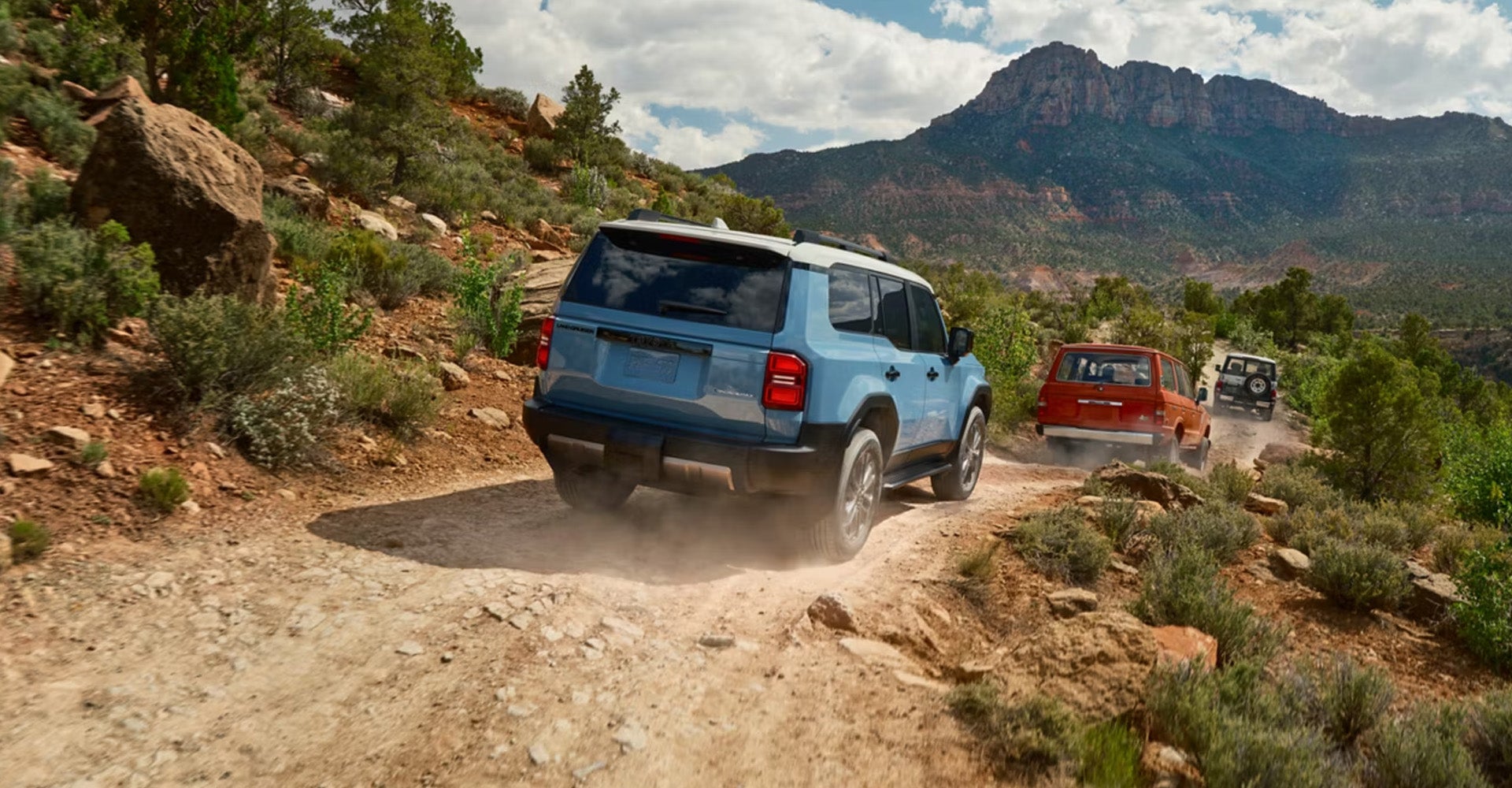
Toyota Land Cruiser Off Road Package

What to Watch: Heat, Loads, and Long Climbs

On hot days and long grades, pace the climb and allow airflow when conditions permit. Sustained high-load wheelspin is the wrong answer because it reduces progress, builds heat, and increases the chance of tire or drivetrain abuse.

Off-Road Driver Aids: Multi-Terrain Select, Crawl Control, and SDM

Toyota gives the Toyota Land Cruiser several electronic tools that improve consistency, not immunity from mistakes. Multi-Terrain Select, Crawl Control, and the available Stabilizer Disconnect Mechanism each solve a specific problem, and the driver still decides the speed, line, and whether to attempt the obstacle.

Multi-Terrain Select adjusts traction for surfaces like dirt, mud, sand, and rocks. Crawl Control modulates throttle and braking at low speed, while SDM improves wheel articulation by disconnecting the stabilizer bar on uneven terrain, where tire contact matters more than flat cornering.

These systems are useful because they reduce workload during difficult maneuvers. Their value rises when the driver chooses settings based on terrain conditions rather than toggling modes at random.

Multi-Terrain Select (MTS): Picking the Right Mode

Use MTS as traction tuning, not as permission to drive faster than conditions allow. The correct mode helps manage wheel slip for the surface under the tires, which can improve forward motion without the harsh intervention that comes from mismatched settings.

Crawl Control: When Slow and Steady Wins

CRAWL is most effective on steep descents, loose climbs, and technical sections where steering precision matters more than speed. Handling throttle and brake modulation frees the driver to focus on where the tires need to go.

Stabilizer Disconnect Mechanism (SDM): More Articulation, More Grip

The available Stabilizer Disconnect Mechanism allows greater wheel articulation on rocky or deeply rutted trails. More articulation means more tire contact, and more tire contact often matters more than raw power when traction is inconsistent. Re-engage SDM once you return to smoother, faster terrain. Suspension freedom helps with obstacles, but road stability matters once speeds rise.

Setting Up Your Toyota Land Cruiser for an Off-Road Day

A good trail day with your Toyota Land Cruiser starts before the tires touch dirt. Route planning, a quick mechanical inspection, and a realistic gear list prevent many of the problems that strand drivers far from help. Set tire pressure for the terrain and expected speed, then bring a way to air back up before highway driving. Communications and recovery plans also belong in the prep stage, because trail mistakes become expensive when nobody knows where you are or how to extract the vehicle.

Pre-Trip Checks That Prevent Trail Problems

Inspect tires, sidewalls, lug torque, fluids, and the underbody for loose hardware or fresh leaks. Confirm that recovery points are accessible and that your jack, lug wrench, and tools fit the wheel and tire setup on the vehicle.

Gear to Carry (Practical, Not Excessive)

Pack a rated recovery strap, compatible shackles, traction boards, gloves, and a shovel. Add water, a first-aid kit, a headlamp, and a paper map backup, because electronics fail at the exact moment terrain gets complicated.

Protection, Tires, and Smart Upgrades (What Helps First)

Tires are usually the first upgrade drivers notice on the trail. Better tread design, stronger sidewalls, and sizing that preserves clearance can improve traction, puncture resistance, and confidence more than cosmetic modifications.

Underbody protection on your Toyota Land Cruiser matters because trail damage often occurs below the driver’s line of sight. Skid plates and sliders reduce the cost of minor mistakes, and that protection can make the difference between driving home and ending the day on a trailer.

Recovery readiness also deserves priority over power adders. A winch-capable setup, traction tools, and the available 2400W power inverter create practical self-sufficiency, especially for airing up tools, charging equipment, or supporting camp-based repairs.
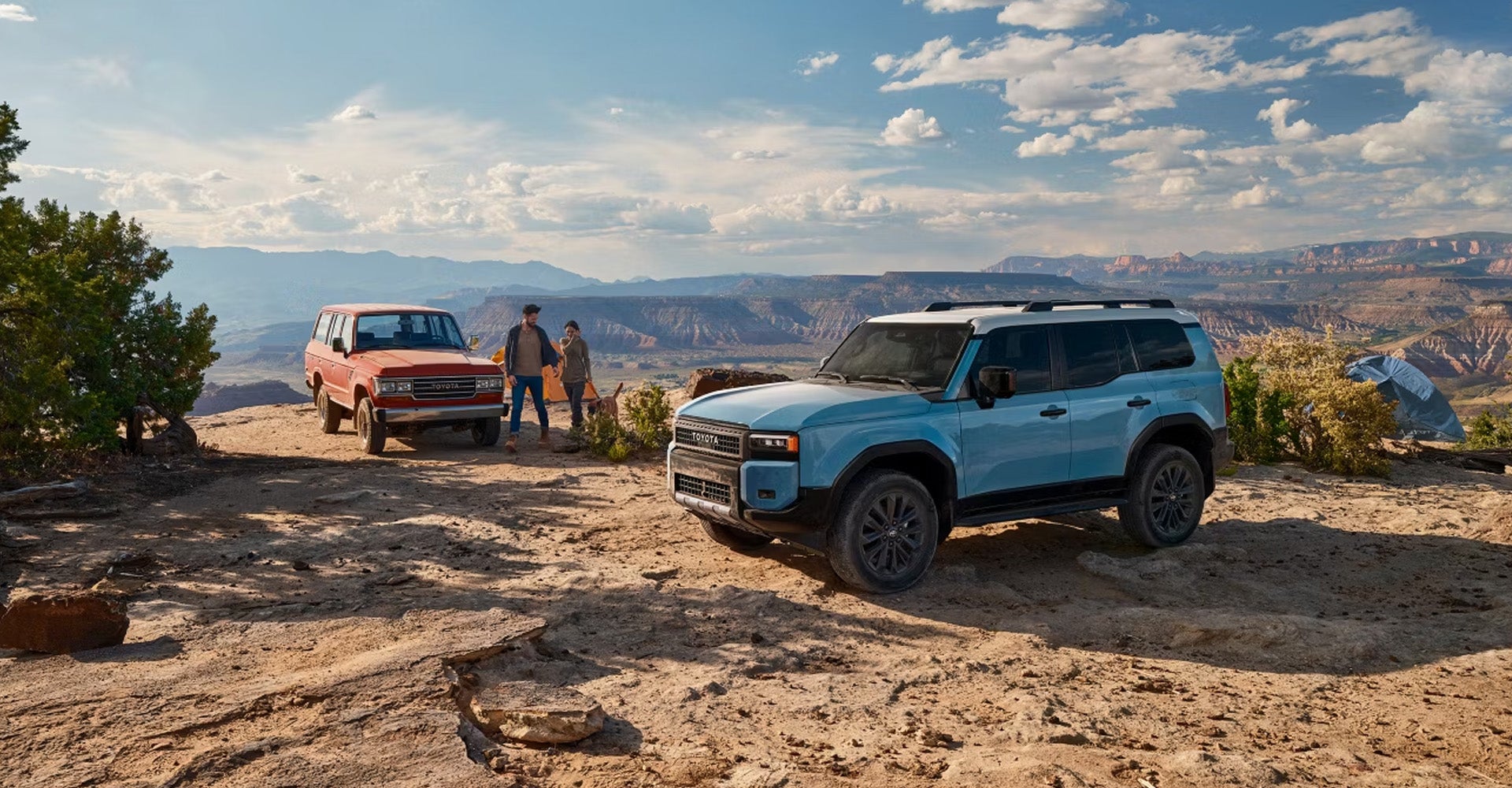
Toyota Land Cruiser Off Road Capabilities

Tire Selection: The Most Noticeable Capability Upgrade

All-terrain tires balance road noise, tread life, wet grip, and trail traction better than most mixed-use Toyota Land Cruiser tires. Mud-terrain tires add bite in deep mud and loose rock, but they often bring more noise, faster wear, and weaker wet-pavement manners. A portable compressor and an accurate gauge are essential for any tire upgrade. Tire pressure is a tuning tool, not a one-time setting, and the ability to adjust it on site expands capability without changing parts.

Skid Plates and Sliders: Cheap Insurance on Technical Trails

Underbody protection shields the oil pan, transmission, and transfer case from rock strikes. Rock sliders protect rocker panels and can serve as a controlled pivot point in tight, technical terrain.

Towing and Payload: Bringing Gear Without Hurting Capability

The Toyota Land Cruiser’s 6,000-lb. towing capacity is useful, but towing changes how the vehicle behaves off-road. Extra mass increases braking distance, affects approach and departure behavior, and makes steep or loose terrain less forgiving. Payload matters as much as towing because overloaded vehicles lose suspension travel and composure. Heavy items should stay low and centered, since roof-heavy packing raises the center of gravity and reduces stability on off-camber terrain.

Packing for Stability and Traction

Secure loads so they cannot shift during climbs, descents, or side tilts. Balanced weight distribution reduces nose dive, rear sag, and the traction penalties that come from overloading one axle.

When to Skip the Trailer

Deep sand, tight switchbacks, and rocky ledges amplify trailer risk fast. Many experienced drivers stage gear at camp and run technical trails unloaded because a lighter vehicle is easier to place, recover, and protect.

Common Mistakes to Avoid With the Toyota Land Cruiser Off-Road

The most common off-road mistakes are speed, impatience, and poor setup. Rough terrain punishes haste because suspension compression, tire impacts, and underbody strikes compound quickly once the driver stops reading the trail. Misusing lockers or Crawl Control can also create problems. Driver aids improve consistency, but they do not repeal physics, and clearance angles still matter as much as traction when the obstacle has ledges, holes, or abrupt transitions.

Mistake: Treating Driver Aids Like Autopilot

MTS and CRAWL can help the Toyota Land Cruiser maintain traction and control, but they do not choose a safe line. If progress stalls, stop, reassess, and spot the obstacle rather than forcing the vehicle forward.

Mistake: Skipping Tire Pressure Management

Overinflated tires reduce grip and increase the risk of punctures on rocks. Underinflated tires at speed build heat and raise the odds of sidewall damage, so pressure should match terrain and pace.

Key Takeaways for Confident, Responsible Off-Roading

The Toyota Land Cruiser earns its reputation through a package, not a single feature. Full-time 4WD, low range, thoughtful chassis design, useful electronics, and the right tires work best when the driver understands what each tool is solving. That is why skill development should come before expensive parts. Drivers who plan routes, manage tire pressure, use aids selectively, and turn around when conditions deteriorate usually travel farther with less damage than drivers who rely solely on hardware.

Get Started

Ready to kickstart your off-road adventures? Head to Preston Toyota of Easton to explore the lineup and learn more about the Toyota Land Cruiser's off-road features.

FAQs

What are the years to avoid for a Toyota Land Cruiser?

There is no universal “avoid” year that matters more than condition and maintenance history. Focus on service records, rust on the frame and underbody, drivetrain care, and signs of hard off-road use or poor modifications.

What is the best Toyota Land Cruiser for off-roading?

The best choice depends on the terrain and your goals. For technical trails, prioritize low range, lockers, clearance, and protection; for long-distance travel, prioritize reliability, payload control, and durable all-terrain tires.

A Toyota Land Cruiser performs best off-road when the driver treats its capability as a system. Tires, pressure, gearing, traction aids, protection, and judgment all matter, and that balanced approach is what turns a capable SUV into a dependable trail vehicle.

What is the Toyota Land Cruiser 1958?

The Toyota Land Cruiser 1958 is a heritage-inspired trim that combines classic Land Cruiser styling with the off-road capability the nameplate is known for. Distinctive features like a vintage "TOYOTA" grille, round headlights, squared-off mirrors, and rugged body styling pay tribute to past generations, while modern engineering helps it tackle trails, dirt roads, and outdoor adventures with confidence. It's a blend of old-school character and trail-ready capability designed for drivers who appreciate both history and exploration.

SHOP NOW
Posted in:

Related Posts

Toyota truck vs. SUV off-road

Which Toyota Off-Road Vehicle Is Right for You? SUV vs. Truck Guide

Built for Adventure Whether you're exploring rugged trails, towing your favorite gear, or commuting during the week, the right Toyota should be ready for it all. If you're comparing a Toyota truck vs. SUV off-road, understanding the differences in capability, passenger space, cargo capacity, towing, and everyday comfort can help you choose the best fit for your lifestyle. Our guide breaks down Toyota's adventure-ready lineup so you can shop with confidence. When you're ready to get behind the wheel, visit Preston Toyota of Easton to explore our selection of capable off-road SUVs and trucks. Start With How You Will Use Your Toyota The right off-road vehicle must handle the trail and the drive home without creating avoidable compromises. A Toyota truck vs. SUV off-road decision should therefore begin with recurring use, not with styling or a single exceptional trip. An SUV generally favors enclosed versatility, while a pickup separates passengers from cargo through an open bed. Neither layout is universally superior for off-roading because trail type, passenger count, equipment, parking conditions, and ownership demands change the answer. Match the Vehicle to the Hardest Regular Task Choose a vehicle that comfortably handles the most demanding activity you perform often, rather than an unlikely annual scenario. Buying around an extreme hypothetical can add size, cost, and compromised road manners without delivering any real value. Verify every capability against the exact model year, trim, drivetrain, and equipment package. Toyota capacities and trail features can change between configurations that share the same model name. Understand the SUV and Truck Difference Off Road Toyota SUVs and pickups can combine body-on-frame construction, four-wheel drive, underbody protection, and trail-focused technology. The meaningful distinction is how the vehicle packages passengers and cargo, not whether one body style automatically belongs off pavement. An SUV provides an enclosed cargo area connected to the passenger cabin, while a pickup provides a separate bed for bulky or dirty equipment. Ground clearance matters for both, but tire construction, wheelbase, approach and departure angles, traction systems, and driver judgment also determine whether a vehicle clears an obstacle safely. Where an SUV Has the Edge When making an SUV off-road comparison, it's important to consider how you'll use your vehicle both on and off the trail. SUVs offer an enclosed cargo area that protects luggage, electronics, camping gear, and pet supplies from the elements while providing secure, climate-controlled storage. Flexible seating configurations and a comfortable cabin also make SUVs an excellent choice for families who need one vehicle for daily commuting, weekend adventures, and everything in between. Where a Truck Has the Edge If you plan on off-roading in a full-size truck, a pickup bed can isolate muddy recovery boards, wet tents, fuel containers, motorcycles, and landscaping supplies from the cabin. That separation reduces interior cleanup and expands the types of cargo an owner can carry. Trucks also emphasize payload and towing utility, although every load needs proper restraint and weather protection. Best Toyota SUV Off-Road Vehicles Toyota offers several SUVs built to handle everything from weekend adventures to challenging off-road trails. Models like the Toyota 4Runner, Toyota Land Cruiser, and Toyota Sequoia each bring unique strengths, including available four-wheel drive, impressive ground clearance, advanced traction technologies, and durable body-on-frame construction on select models. The best Toyota SUVs for off-road use ultimately depend on your lifestyle, whether you prioritize maneuverability on rugged trails, three-row family space, or towing capability. Comparing each model's features, dimensions, and available off-road equipment can help you find the Toyota SUV that's ready for your next adventure. Best Toyota Off-Road Trucks If you’re seeking the best pickup for off-road adventures, Toyota trucks are engineered to tackle demanding terrain while delivering the capability needed for work and everyday driving. The Toyota Tacoma is a popular choice for drivers seeking a midsize pickup with impressive off-road performance, while the Toyota Tundra offers full-size power, greater towing capacity, and exceptional hauling capability. If you're searching for the best pickup for off-road use, comparing available TRD Off-Road, TRD Pro, and Trailhunter models can help you find the right combination of trail-ready technology, durability, and everyday practicality for your lifestyle. Compare Trail Capability Before Selecting a Model Rugged bodywork and an off-road trim name do not establish trail capability by themselves. A useful SUV off-road comparison or truck assessment examines the hardware affecting contact, clearance, traction, and control. Compare these factors on the exact configuration: Ground clearance beneath vulnerable components Approach, departure, and breakover angles Wheelbase and overall width Tire type, size, and sidewall construction Skid plates and other underbody protection Four-wheel-drive and traction-control equipment Factory recovery points and available camera views Larger vehicles may offer more passenger space, cargo capacity, or power, yet their width and turning requirements can complicate navigation through narrow technical routes. This tradeoff deserves particular attention before off-roading in a full-size truck. Prioritize Traction and Protection Compare four-wheel drive, locking differentials, Crawl Control, Multi-Terrain Select, skid plates, and all-terrain tires where offered. A locking differential can improve traction in specific low-grip situations, while underbody protection helps limit damage from trail contact. Electronic systems assist with wheel slip and low-speed control, but they cannot replace route research, appropriate tire pressure, recovery preparation, or disciplined driving. The driver remains responsible for choosing a line that suits the vehicle and conditions. Find the Toyota Model Family That Fits Your Needs Toyota’s off-road-capable models are starting points for comparison rather than a fixed ranking. Current specifications, window stickers, and equipment lists reveal the installed powertrain, drivetrain, tires, protection, capacities, and trail technology. Off-road-focused trims may alter suspension tuning, tire behavior, payload, road noise, ride quality, and price. Buyers searching for the best off-road SUVs or the best pickup for off-road use should compare equipment rather than rely on broad labels. Balance Cargo, Passengers, Towing, and Daily Driving An SUV protects passengers, pets, valuables, and weather-sensitive cargo in a single secure space. A truck bed accepts tall, wet, muddy, or odorous loads that would be difficult to carry inside an SUV. Model-specific Toyota towing and payload guides list maximum towing capacity, payload, and tongue-weight limits by trim, cab, bed, and drivetrain configuration. Passengers, cargo, accessories, and trailer tongue weight all count against the available payload, so the tow rating alone does not determine whether a configuration can tow a trailer. Daily ownership deserves equal attention because commute comfort, fuel use, garage fit, child-seat access, pet transport, parking, and cleaning requirements affect every trip. A capable trail vehicle that does not fit the owner’s routine becomes an expensive compromise. Choose an SUV for Protected Cargo and People Choose an SUV if passengers, pets, luggage, electronics, or camping supplies regularly need protection from the weather. Folding seats can create flexible storage, although carrying gear may reduce passenger capacity. Roof boxes and racks add storage options, but owners must account for roof-load limits, loading height, wind resistance, and secure attachment. Heavy items are usually safer when carried low and properly restrained. Choose a Truck for Bed Utility and Workloads Choose a pickup if oversized, muddy, wet, or foul-smelling equipment appears frequently in your routine. Bed length, tie-down locations, payload, and tailgate access matter more than exterior appearance. Every load still requires secure restraint because an open bed does not prevent cargo movement. Use a Practical Final Comparison Choose an SUV when protected passenger-and-cargo versatility is needed for most trips. Choose a truck when bed utility, frequent hauling, payload, or trailer use carries greater weight. Inspect competing vehicles side by side rather than relying only on specification tables. Seating access, rear cargo openings, bed dimensions, outward visibility, controls, and driving position become clearer during a physical walkaround. At Preston Toyota of Easton, a walkaround can help shoppers compare cabins, cargo areas, pickup beds, and available off-road equipment before narrowing the shortlist. This practical inspection supports an informed decision without treating one body style as the default answer. Head to our trusted Toyota dealer in Easton, MD, to find your next off-road companion today! Frequently Asked Questions Is a Truck or SUV Better for Off-Roading? Neither is always better. An SUV often suits protected cargo, passengers, and tighter trails, while a truck offers bed utility, payload capacity, and towing advantages; compare dimensions, tires, clearance, and four-wheel-drive equipment. Which Toyota SUV Is Best for Off-Road? The Toyota 4Runner and Toyota Land Cruiser are strong starting points for off-road SUV shoppers. The better fit depends on trail difficulty, passenger and cargo needs, budget, dimensions, and installed equipment. Which Toyota Vehicle Is Best for Off-Road? The Toyota 4Runner, Toyota Land Cruiser, Toyota Tacoma, and Toyota Tundra offer different routes to trail capability. Choose an SUV for enclosed versatility or a truck for bed capacity, towing, and hauling, then verify the exact off-road configuration. SHOP NOW

How Good Is the Toyota Sequoia Off-Road? A Look at TRD Off-Road Features

Toyota Sequoia Off-Road Capabilities: Adventure Starts Where the Pavement Ends Many shoppers want one SUV that can carry family gear on Monday and reach a remote campsite on Saturday. For buyers comparing Toyota Sequoia's off-road ability with smaller trail rigs, the right question is not whether it can leave pavement, but where its size, traction systems, and payload make sense. The Toyota Sequoia is a full-size body-on-frame SUV, so its strengths differ from a narrow, short-wheelbase trail vehicle. At Preston Toyota of Easton, we explain what the Toyota Sequoia does well off pavement, where it reaches its limits, and how to set it up for safer, smarter trail use. Begin browsing our Toyota Sequoia inventory online and head to our dealership for a test drive today! What “Off-Road Capable” Means for a Toyota Sequoia The Toyota Sequoia is off-road capable, but its strengths are more about confident adventure travel than extreme rock crawling. Its full-size build makes it a great fit for forest roads, snow routes, beach access, light rocky terrain, and overlanding, where space, comfort, and towing matter. Because of its longer wheelbase and heavier weight, the Toyota Sequoia feels stable on rough roads but may be less nimble on tight trails than a smaller SUV like the Toyota 4Runner. Payload also matters; passengers, gear, and rooftop cargo can reduce clearance and put added stress on the tires, brakes, and suspension. In short, the Toyota Sequoia is built to take families, gear, and adventure essentials well beyond the pavement, comfortably and confidently. Toyota Sequoia TRD Off-Road Package The Toyota Sequoia offers available TRD off-road upgrades designed to boost capability on challenging terrain. Features include a TRD Pro suspension with FOX® shocks, TRD-tuned Bilstein® shocks, forged-aluminum BBS® wheels, and a TRD aluminum skid plate for added protection. Available technology, like the Multi-Terrain Monitor (MTM), provides front, side, and rear camera views to help navigate obstacles. In contrast, the available Load-Leveling Rear Height Control Air Suspension with Adaptive Variable Suspension (AVS) helps maintain comfort and control when carrying cargo or towing. Hardware That Helps Off Pavement The Toyota Sequoia’s off-pavement hardware works best when the driver understands what each component changes. Body-on-frame construction, available 4WD with low range, usable ground clearance, and a workable approach angle matter more on uneven terrain than headline horsepower figures. That hierarchy matters because traction is usually lost at the tire contact patch, not in the engine bay. Even strong power can become a liability if the front bumper drags at an obstacle or if a poor approach angle forces contact before the tires begin climbing. Body-on-Frame Strength for Trails and Towing A ladder-frame SUV handles repeated torsional loads and hitch stress better than many unibody crossovers. That structure gives the Toyota Sequoia a durable foundation for towing, washboard roads, and accessories such as skid plates, hitch carriers, and properly mounted recovery points. Frame strength also matters during recovery, where loads should move through rated hardware rather than improvised attachment spots. A recovery strap attached to approved recovery points reduces the chance of component damage, which is why recovery planning should happen before the vehicle gets stuck. Hybrid Power Delivery Off-Road Toyota’s i-FORCE MAX twin-turbo V6 hybrid gives the Toyota Sequoia strong low-end torque, which helps on steep grades and loaded climbs. Off-road, that torque matters most when delivered smoothly, because controlled throttle application preserves traction better than a fast stab at the pedal. The practical takeaway is that hybrid output helps the Toyota Sequoia maintain momentum without feeling strained under cargo or at altitude. On technical terrain, though, throttle modulation still determines the outcome, since wheelspin wastes grip and increases the risk of tire or underbody damage. TRD Off-Road Features: What They Do and When to Use Them TRD off-road features help the Toyota Sequoia tackle challenging terrain with greater confidence, but driver skill and proper technique still matter. Understanding when to use each feature can help maximize traction and control. Multi-Terrain Select Multi-Terrain Select adjusts throttle response and traction control settings to match conditions like sand, mud, or snow. Choosing the correct mode helps maintain traction and momentum on loose surfaces. Crawl Control Crawl Control automatically manages throttle and braking at low speeds, allowing drivers to focus on steering. It's especially useful on steep climbs, rocky trails, and uneven descents where maintaining steady traction is important. Electronic Locking Rear Differential The electronic locking rear differential sends power evenly to both rear wheels when traction is limited. It can help the Toyota Sequoia maintain forward progress on rutted trails, loose surfaces, and uneven terrain. Downhill Assist Control Downhill Assist Control helps maintain a controlled speed on steep descents without constant brake input. This can improve stability and reduce driver workload on slippery or uneven downhill sections. Multi-Terrain Monitor: Seeing What You Can’t From the Driver’s Seat The Multi-Terrain Monitor provides front, side, and rear views to help with blind rises, rock placement, and tight obstacles. Its biggest advantage is confirmation, since committing a full-size SUV to a line without checking clearance can turn a minor obstacle into body damage. Use the cameras before the vehicle tips onto an obstacle, not after. The best line is the one you verify early, while there is still room to stop, adjust, or ask for a spotter. Driver Information Displays: Keeping Eyes Up The digital gauge cluster and available head-up display reduce glance time by placing key data where the driver can process it quickly. During slow-speed trail work, it supports better decisions about 4WD status, traction-system activity, and warnings tied to heat or drivetrain engagement. Useful information reduces hesitation, which is critical in a heavy SUV. Suspension and Ride Control: Comfort vs. Clearance vs. Stability The Toyota Sequoia’s stock suspension is tuned first for road comfort, passenger control, and towing stability. Off-road performance for the Toyota Sequoia depends less on ride softness than on travel, damping control, tire compliance, and how added weight changes the suspension’s working range. That means upgrades should follow use case, not catalog hype. Armor, roof racks, drawers, and camping gear all alter ride height, bottom-out resistance, and steering response, so the best setup is the one matched to the actual load. TRD Off-Road Suspension Tuning TRD Off-Road tuning aims to improve composure over rough roads, corrugations, and repeated small impacts. In practice, that means less bouncing after bumps, steadier steering on washboard, and fewer harsh bottom-out events than a softer road-focused setup. Drivers considering a TRD Pro should think about terrain frequency, not badge value. Suspension tuning delivers the biggest benefit on repeated rough surfaces, where control and heat management matter more than one dramatic obstacle. Adaptive Variable Suspension and Rear Air Suspension (Where Equipped) Adaptive Variable Suspension can improve body control on uneven highways and reduce porpoising on the way to trailheads. That matters for a family SUV because fatigue often starts before the trail begins, and damping control can preserve driver attention over long distances. Rear air suspension helps maintain ride height under cargo or trailer tongue weight. Keeping the rear level improves headlight aim, braking balance, and highway stability, all of which matter before the vehicle ever reaches dirt. Towing and Off-Road: How to Combine Both Safely A strong tow rating does not mean a trailer belongs on every dirt road. Off-road towing multiplies stress because trailer length, hitch weight, loose surfaces, and reduced departure angle all increase the chance of dragging, jackknifing, or losing momentum. The key judgment is knowing when the road has stopped being a road. Deep sand, sharp breakovers, and narrow switchbacks can turn a manageable tow into a recovery problem, especially with a long trailer behind a large SUV. Trailer Tech and Control Features to Know Trailer Backup Guide and Straight Path Assist can reduce stress in campsites, boat ramps, and tight staging areas. Those systems help with low-speed alignment, but they do not change the physics of trailer swing or the need for spotters in confined spaces. If a brake controller is installed on the trailer, test braking on flat ground before any descent. Controlled stopping should be confirmed early because downhill troubleshooting with a loaded trailer leaves little room for error. Real-World Scenarios: How the Toyota Sequoia Behaves on Common Terrain The Toyota Sequoia performs best when the driver treats terrain as a traction-management problem rather than a power contest. Smooth throttle, measured steering, and patient braking matter on every surface, while the vehicle’s size remains the constant limit on narrow or technical trails. That mental model helps because each terrain type punishes a different mistake. Sand punishes hesitation, snow punishes overconfidence, mud punishes poor line choice, and rocks punish impatience. Sand and Dunes Lower tire pressure to increase the contact patch, maintain momentum, and avoid sharp steering that plows the front tires. Sand also builds heat under sustained load, so monitoring drivetrain temperatures on long climbs helps protect the vehicle from avoidable stress. Snow and Ice Tires decide winter traction before 4WD enters the conversation. The Toyota Sequoia can move confidently in snow, but stopping distances remain long, so gentle throttle and larger following gaps are mandatory, and chains may be the right answer where legal. Mud and Ruts Choose the shallowest line that protects the underbody and rocker area. Deep ruts can trap a wide SUV, and selective use of the locking rear differential helps limit one-wheel spin without creating unnecessary binding. Rocks and Ledges Go slowly, use a spotter, and place the tires deliberately rather than relying on the throttle. Skid plates and rock sliders can prevent trip-ending damage, because contact on rocks is often a matter of when, not if, in a long-wheelbase SUV. Key Takeaways: Is the Toyota Sequoia a Good Off-Road SUV? The Toyota Sequoia is a good off-road SUV for families who want one vehicle for road trips, towing, winter travel, and light-to-moderate trails. Its strongest advantages are cabin space, body-on-frame durability, hybrid torque, and trail tech that lowers workload in a large vehicle. Its biggest gains come from correct tires, correct pressures, and disciplined use of traction features. Its clearest limits are size, breakover angle, underbody exposure, and the reduced agility that comes with a full-size platform. Head to Preston Toyota of Easton to learn more about the Toyota Sequoia and take a test drive! FAQs Is the Toyota Sequoia good off-road? Yes. With available 4WD and features such as Multi-Terrain Select, Crawl Control, and a locking rear differential, it can handle sand, snow, ruts, and moderate trails within its size and clearance limits. Is the Toyota Sequoia as capable as the Toyota 4Runner? Not on tight, technical trails where the Toyota 4Runner’s smaller footprint is easier to place and less likely to scrape. The Toyota Sequoia is stronger for family space, towing, and moderate off-pavement travel. SHOP NOW

Toyota Tundra Off-Road Package

What Comes in the Toyota Tundra Off-Road Package?

What to Expect on the Trail Full-size pickups now serve as trail rigs, tow vehicles, and family travel platforms in one package, pushing factory off-road equipment from a niche option to a mainstream expectation. The Toyota Tundra off-road lineup is built for drivers who want more than just rugged styling. Whether you're exploring remote trails, towing gear to a campsite, or navigating challenging weather conditions, the truck's available off-road equipment can significantly enhance capability and confidence. From the trail-focused Toyota Tundra TRD Off Road models to a range of Toyota Tundra off-road upgrades, there are several ways to tailor the truck to your adventures. Understanding the features of the Toyota Tundra Off-Road Package can help you choose the right setup for your driving needs and maximize your Toyota Tundra's off-road capability on and off the pavement. Visit Preston Toyota of Easton to find your Toyota Tundra off-road setup today! What “Off-Road Ready” Means for a Full-Size Tundra The Toyota Tundra approaches off-roading differently than a smaller SUV, prioritizing stability, towing capability, and cargo space. While its size can make tight trails more challenging, trail performance depends far more on features like ground clearance, skid plates, suspension tuning, all-terrain tires, and traction systems. Features such as Downhill Assist Control (DAC) improve control on steep descents, while upgraded suspension and tires enhance traction, comfort, and durability. The ideal setup depends on your adventures, whether that's tackling rocky trails, navigating winter roads, or towing a camper to a remote campsite. Toyota Tundra TRD Off-Road Package: The Core Trail Hardware The Toyota Tundra TRD Off-Road Package is the practical center of the Tundra lineup for buyers who want real trail equipment without stepping into the more specialized Toyota Tundra TRD Pro. It focuses on the features that improve traction, protect the truck, and lower the skill required to move through uneven terrain. Electronically Controlled Locking Rear Differential: One of the package’s most valuable pieces. When one rear wheel loses grip, the locker helps both rear wheels turn together, which improves forward motion on loose or uneven surfaces where an open differential would waste torque. Multi-Terrain Select: Adds another layer of control. By adjusting throttle response and traction management for different surfaces, Multi-Terrain Select helps a heavy truck maintain usable grip with less wheelspin, especially when surfaces change from packed dirt to loose gravel or slick mud. Crawl Control: Built for low-speed technical work. It manages throttle and braking automatically at preset low speeds, allowing the driver to focus on steering and line choice rather than trying to modulate pedals over every rock, rut, or ledge. Downhill Assist Control: Supports confidence on descents where gravity can overwhelm traction. DAC maintains a controlled pace on steep grades, which reduces the tendency to lock wheels or slide on loose surfaces. Protection and Durability Basics Skid plates matter because underbody contact is not a theoretical risk on a full-size truck. They help shield vulnerable components from rocks, stumps, and hard ruts, turning minor trail mistakes into noise instead of expensive damage. Mudguards serve a smaller but useful role. They cut debris spray, help protect paint, and reduce the amount of mud and gravel thrown against the body and lower undercarriage during sloppy driving conditions. Toyota Tundra TRD Off-Road Premium Package: Comfort Meets Trail Capability The Toyota Tundra TRD Off-Road Premium Package is built for drivers who want rugged capability without giving up everyday comfort. Its trail-ready hardware, including 18-inch TRD Off-Road alloy wheels with all-terrain tires, Bilstein® shocks, skid plates, mudguards, an electronically controlled locking rear differential, Multi-Terrain Select, Crawl Control, and Downhill Assist Control, helps improve traction, control, and underbody protection when the pavement ends. Inside, leather-trimmed seats with contrast stitching, heated 8-way power-adjustable front seats, power lumbar support, dual-zone automatic climate control, and TRD-specific touches create a more comfortable, confident ride for commutes, road trips, and cold-weather trail runs. Details like the TRD grille, bedside decal, red TRD engine start button, leather-wrapped shift knob, and aluminum sport pedals add bold personality, while the tires, shocks, locker, and skid plates deliver the real off-road substance. Advanced Off-Road Technology Package: Seeing More, Backing Easier For drivers who prioritize visibility and maneuverability, the Advanced Off-Road Technology Package adds smart tools that make a full-size Toyota Tundra easier to place on and off the trail. Features like the Multi-Terrain Monitor, Blind Spot Monitor, front and rear parking assist with automatic braking, Trailer Backup Guide with Straight Path Assist, and a digital rearview mirror help reduce blind spots and simplify backing, parking, and trailer positioning. Whether you're navigating a crowded campground, tight trailhead, or narrow access road, these technologies provide added confidence where visibility matters most. Multi-Terrain Monitor (MTM): When It Helps Most MTM is one of the package’s most trail-relevant features because hood height can hide rocks, holes, and ledges directly ahead of the tires. By giving the driver camera views around the truck, MTM helps with tire placement where visual guesswork would otherwise dominate. MTM is most useful on rocky sections, deep ruts, and ledge approaches where inches matter. It works best as a supplement to a spotter, because cameras improve visibility but cannot replace human judgment outside the truck. Trailer Backup Guide and Straight Path Assist (SPA) Trailer Backup Guide and Straight Path Assist reduce the steering corrections that make backing a trailer frustrating. For owners towing campers, utility trailers, or small recreational gear to remote sites, which support lower stress where space is limited, and surfaces are uneven. This feature pairs well with a slow-speed mindset. Backing a trailer on dirt or gravel requires patience, and technology is most effective when the driver treats it as guidance rather than permission to rush. Digital Rearview Mirror and Parking Assist A digital rearview mirror can restore rear visibility when gear fills the bed or blocks the back window. That becomes more valuable on travel-heavy trips where cargo often rides high and traditional mirror views disappear. Parking assist with automatic braking adds another safety layer in cramped environments. It does not replace careful observation, but it can catch low-speed hazards that are easy to miss from a tall, full-size cab. How to Choose Your Toyota Tundra Off-Road Setup Choose your Toyota Tundra setup based on where and how you drive. Sand and snow benefit from quality all-terrain tires and traction aids, while rocky trails place greater importance on skid plates, ground clearance, and low-speed control systems. If you tow regularly, trailer-assistance technology can be just as valuable as off-road hardware when navigating campsites and remote access roads. When prioritizing upgrades, start with tires, then underbody protection, followed by suspension improvements. A truck with the right tires often performs better than one loaded with off-road features but equipped with the wrong rubber. Most importantly, avoid overbuilding for conditions you rarely encounter; a balanced setup typically delivers the best mix of capability, comfort, and everyday usability. Picking the Right Off-Road Package for How You Drive The best Toyota Tundra off-road package depends on how and where you drive. Consider the terrain you tackle most often, how frequently you tow, and how much time you spend on the road. For many drivers, the TRD Off-Road Premium Package offers an appealing balance of capability, comfort, and everyday usability. Head to Preston Toyota of Easton to get started today! FAQ Is the Toyota Tundra good off-road? Yes, especially with TRD Off-Road or TRD Pro equipment. The main limitation is full-size width on tight trails, not a lack of traction aids or low-speed control. What's better, a Toyota TRD Sport or a Toyota TRD Off-Road? For trail use, Toyota Tundra TRD Off-Road is the stronger choice. It focuses on features such as a locking rear differential, Multi-Terrain Select, and low-speed control systems, while TRD Sport is tuned more for road manners. A Toyota Tundra becomes a stronger off-road truck when the package matches the job. Buyers who focus on terrain, towing needs, tire choice, and protection will end up with a setup that performs better on the trail and makes more sense every day. SHOP NOW